


How to Administer Medication to Your Cat
- Claire Yates
- 4 days ago
- 4 min read
Administering medication to your cat can be a daunting task for many pet owners. Cats are known for their independent nature, and getting them to take medicine can sometimes feel like a battle. However, with the right techniques and a little patience, you can make the process smoother for both you and your feline friend. This guide will provide you with practical tips and strategies to help you successfully administer medication to your cat.
Understanding Your Cat's Needs
Before diving into the methods of administering medication, it’s essential to understand your cat's behavior and needs. Cats are creatures of habit and can be sensitive to changes in their routine. Here are a few things to consider:
Familiar Environment: Ensure that your cat is in a comfortable and familiar environment. This can help reduce stress during the medication process.
Calm Demeanor: Your cat can sense your emotions. Approach the situation calmly and confidently to help reassure your pet.
Timing: Choose a time when your cat is relaxed, such as after a meal or during a quiet moment of the day.
Types of Medications
Medications for cats can come in various forms, including:
Pills: These are the most common form of medication. They can be tricky to administer but are often the most effective.
Liquid: Liquid medications can be easier to give, especially if your cat is resistant to pills.
Topical: These medications are applied directly to the skin and can be a good option for cats who are difficult to medicate orally.
Injectable: Some medications require injections, which may need to be administered by a veterinarian or trained professional.
Understanding the type of medication your cat needs will help you choose the best method for administration.
Preparing for Medication Administration
Preparation is key to successfully administering medication to your cat. Here are some steps to follow:
Gather Supplies: Make sure you have everything you need within reach, including the medication, treats, and any tools like a syringe or pill popper.
Read Instructions: Carefully read the medication instructions provided by your veterinarian. This will ensure you understand the correct dosage and method of administration.
Create a Comfortable Space: Find a quiet area where you can comfortably hold your cat. You may want to use a towel to wrap your cat gently, which can help prevent sudden movements.
Administering Pills
Giving your cat a pill can be challenging, but here are some effective techniques:
Direct Method
Hold the Cat: Gently hold your cat in your lap or on a stable surface.
Open the Mouth: Use your thumb and forefinger to gently grasp the top of your cat's head and tilt it back slightly.
Place the Pill: With your other hand, place the pill as far back on the tongue as possible.
Close the Mouth: Close your cat's mouth and gently stroke their throat to encourage swallowing. You can also blow lightly on their nose to stimulate swallowing.
Hiding the Pill
If your cat is particularly resistant, you can try hiding the pill in a treat or food:
Pill Pockets: These are specially designed treats with a pocket for hiding pills.
Soft Food: You can mix the pill with a small amount of wet food, ensuring your cat eats the entire portion.
Using a Pill Popper
A pill popper is a tool designed to help administer pills without having to use your fingers:
Load the Pill: Place the pill in the end of the pill popper.
Position the Cat: Hold your cat securely.
Administer the Pill: Gently place the pill popper in your cat's mouth and push the plunger to release the pill.
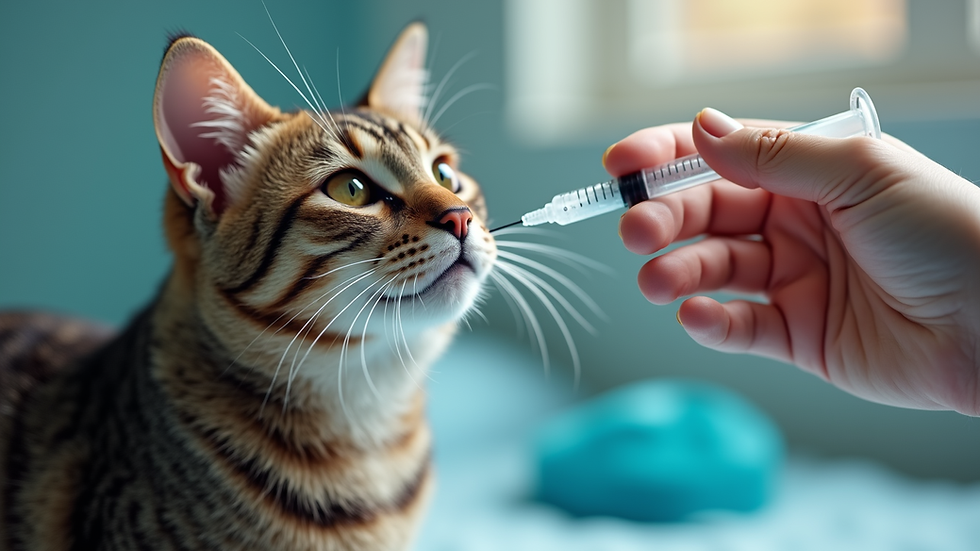
Administering Liquid Medication
Liquid medications can be easier to give than pills. Here’s how to do it:
Use a Syringe: Fill a syringe with the prescribed dose of liquid medication.
Position the Cat: Hold your cat in your lap or on a stable surface.
Administer the Medication: Place the syringe in the side of your cat's mouth, between the cheek and teeth. Slowly squirt the medication into their mouth, allowing them to swallow naturally.
Administering Topical Medication
Topical medications are often easier to apply. Here’s how to do it effectively:
Prepare the Area: Ensure the area where you will apply the medication is clean and dry.
Apply the Medication: Follow the instructions provided by your veterinarian for the specific medication. Usually, you will apply it directly to the affected area or the skin between the shoulder blades.
Prevent Licking: After application, monitor your cat to prevent them from licking the medication off. You may need to use an Elizabethan collar if they persist.
Administering Injectable Medication
Injectable medications should only be administered by a trained professional. If your veterinarian has instructed you to give your cat injections at home, follow these steps:
Prepare the Injection: Gather all necessary supplies, including the medication, syringe, and alcohol swabs.
Choose the Injection Site: Common sites for injections are the scruff of the neck or the side of the body.
Administer the Injection: Follow your veterinarian's instructions carefully to ensure proper technique and dosage.
Dealing with Resistance
Cats can be stubborn, and you may encounter resistance when administering medication. Here are some tips to help:
Stay Calm: If your cat resists, take a break and try again later. Staying calm will help keep your cat calm as well.
Positive Reinforcement: Reward your cat with treats or praise after successfully administering medication. This can help create a positive association with the process.
Seek Help: If you’re struggling, don’t hesitate to ask your veterinarian for advice or assistance.
When to Consult Your Veterinarian
If you find that administering medication is consistently difficult or if your cat shows signs of distress, consult your veterinarian. They may be able to suggest alternative medications or methods that are easier for you and your cat.
Conclusion
Administering medication to your cat doesn’t have to be a stressful experience. By understanding your cat's needs, preparing adequately, and using the right techniques, you can make the process smoother for both of you. Remember to be patient and gentle, and always consult your veterinarian if you have any concerns. With practice, you’ll become more confident in your ability to care for your feline friend’s health.


Comments